


 Solution
 Support Center
 About Us
 Contact
What Is Windows Boot Disk and How to Boot Your Windows
 Penny Warren Published on September 09, 2026Windows Tips3-min reading
Similar to other digital devices, a PC can be vulnerable, and users may encounter various problems. Booting from a bootable disk or USB can be useful for various tasks, from reinstalling Windows to troubleshooting and recovering data. However, the Windows 10 boot disk sounds complicated. This article will explain the concept and share other knowledge you should know, such as how to make a boot disk or USB flash drive quickly.

In this article:
Part 1: What Is a Windows Boot Disk
A Windows 10 boot disk or USB is a portable device that contains an operating system or recovery tool. It lets you start up a PC using the files stored on the disk or USB rather than the PC’s built-in operating system. The boot disk is typically used for:
- 1.Install or reinstall Windows.
- 2.Run the system recovery tool when your Windows fails to load.
- 3.Troubleshoot for viruses, software glitches, and more.
- 4.Recover data.
- 5.Reset and erase your PC.
- 6.Update BIOS or firmware.
Part 2: Create a Windows Boot Disk
To make a Windows boot disc or USB, you must have a blank disk or USB flash drive with enough space. If you use a USB, it should have at least 16GB of storage and must be USB 3.0 or higher.
Way 1: How to Create a Windows Boot Disk with Media Creation Tool
Insert the blank disk or compatible USB into a PC.
Visit https://www.microsoft.com/en-us/software-download/ in a browser and select the desired version of Windows.
Download Create Windows Installation Media.
Run the file labeled MediaCreationToolxxx.
Accept Microsoft’s terms and conditions.
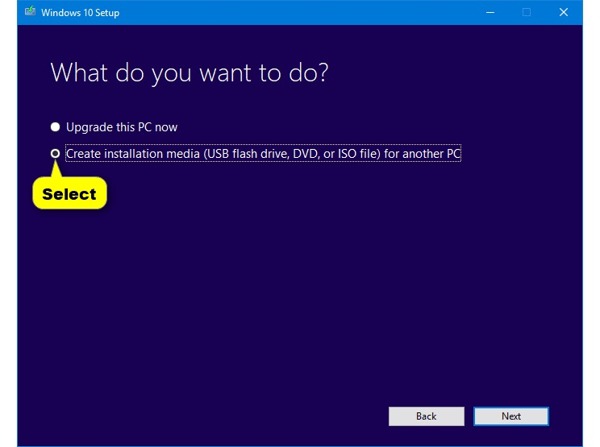
Select Create installation media for another PC and click Next.
Set language, edition, and architecture, and hit Next.
If you cannot set the form, uncheck Use the recommended options for this PC.
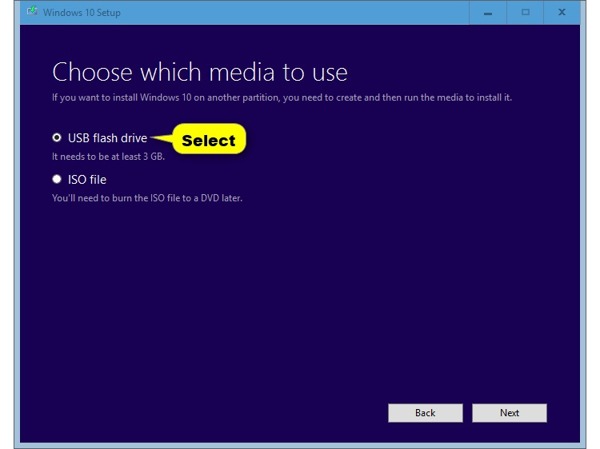
Select USB flash drive and click Next. If you want to make a Windows boot disk, select ISO file and hit Next.
Click the Next button to proceed.
Select the USB drive or disk again and click Next to initiate the process.
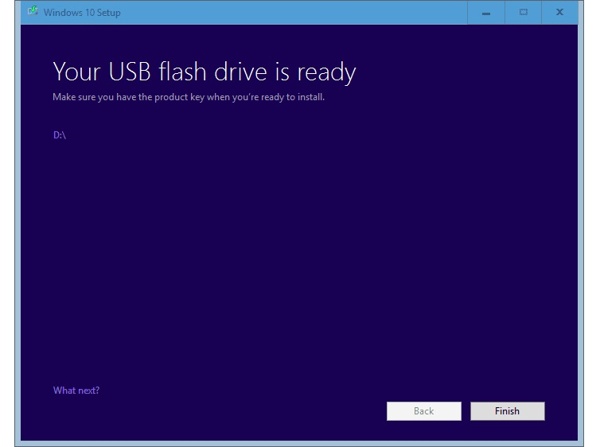
When the boot flash disk for Windows 7 is done, click Finish and remove it from the PC.
Way 2: How to Create a Windows Boot Disk Using Rufus
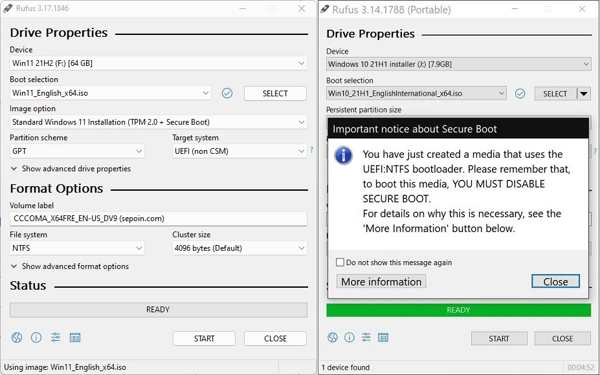
Insert your disk or USB into your PC.
Download Rufus from the official website and run the Rufus.exe file.
Select the USB drive or disk under the Device option.
Choose the proper version of ISO from the Boot selection.
Switch to Download from Select.
Set the partition type, firmware type, file system, and disk cluster size.
Finally, click the Start button to begin making a Windows XP boot disk or USB.
Part 3: Boot Windows from Boot Disk
If you need to reinstall Windows, troubleshoot, recover data, and more, use your Windows boot disk. You need to boot your PC to the bootable media using the BIOS hotkey, which is different depending on your manufacturer.
Insert your Windows boot disk or USB into your PC.
Restart your PC.
Once the screen lights up, press the BIOS hotkey repeatedly:
- Dell: F2 OR F12
- HP: F10 or Esc
- Lenovo: F1 or Fn + F1
- ASUS: F2
- Acer: F2 or Del
Navigate to Boot or Boot Order.
Select the first boot option as the boot disk or USB and press Enter.
Save the changes and exit BIOS.
Next, boot your PC and enter the disk.
You May Also Like:
Part 4: Bonus Tip: How to Reset Windows Password
When you forgot your login password, imyPass Windows Password Reset is a straightforward Windows USB boot disk maker. It can make a boot disk or USB on another PC and let you check and reset your account password quickly.
4,000,000+ Downloads
Make a Windows password reset disk or USB quickly.
Reset Windows password for both administrator and users.
Add new users without accessing Windows.
Work for Windows 11/10/8/7 and earlier.
How to Reset Windows Password with Bootable Disk
Make a bootable disk
Launch the Windows boot disk maker after installing it on an accessible PC. Insert a blank disk into the PC. Select the disk from the drop-down list under Create Password Reset CD/DVD and click Burn CD/DVD.
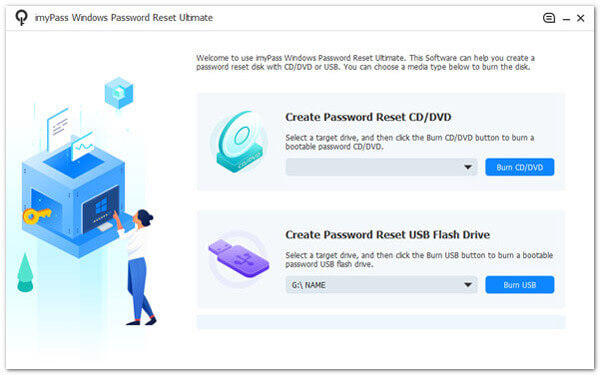
You can create a bootable USB if you don’t have a disk.
Choose your account
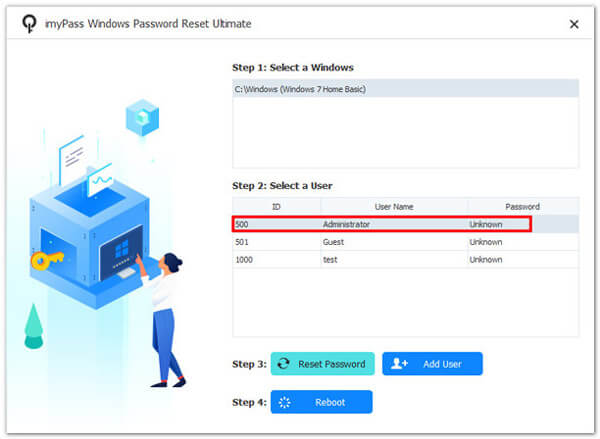
Insert the bootable disk into your computer. Restart your PC and boot from the disk. Select your Windows and choose the account you want to change.
Reset Windows password
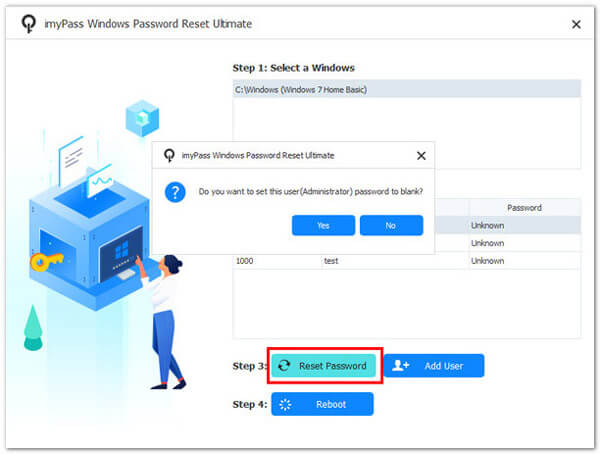
Click the Reset Password button to set it to be blank. When prompted, click the OK button to confirm it. Next, click Reboot to restart your PC directly.
Conclusion
This article explained what a Windows 10 boot disk or USB is. Moreover, you can learn two ways to make the boot disk or USB on a PC quickly. If you need to install Windows or troubleshoot, follow the steps to complete the process. imyPass Windows Password Reset is an intuitive way to reset your Windows password.
Penny focuses on GPS troubleshooting and Windows optimization. She formerly worked as a technical support engineer, helping clients solve location-based and system issues efficiently. Backed by IT support experience, she provides practical solutions that really work. In her free time, she likes hiking and geocaching, testing GPS tech in the real world.
Hot Solutions
-
Windows Tips
-
Windows Password
-
Fix Windows
-
Password Tips