

 Solution
 Support Center
 About Us
 Contact
Easiest Ways to Remove iCloud from iPhone Without Password
 Samuel Spenser Published on June 24, 2026Unlock iOS3-min reading
iCloud is a cloud storage and computing service provided by Apple Inc. It is tightly integrated across Apple devices, allowing users to access and sync data on an iPhone, iPad, Mac, or other Apple devices from anywhere. When selling or giving away an iPhone, removing iCloud account is necessary. In this guide, we will show you how to remove iCloud from iPhone using different methods, even without the password.

In this article:
Part 1. When you CANNOT Remove iCloud
In some situations, removing iCloud from an iPhone is not possible using normal methods. This usually happens because Apple's security system, especially Activation Lock, is still active on the device.
Activation Lock is a security feature that prevent anyone else using or selling your device if it is lost or stolen. When Find My is enabled, Activation Lock is automatically turned on. You may not be able to remove iCloud in the following situations:
- You forgot the Apple ID or password accidentally.
- Find My iPhone is enabled and you cannot verify your identity through trusted phone number or email.
- The iPhone is still linked to a previous owner's Apple ID.
- The device is restricted by Activation Lock or MDM policies.
Part 2. What Happens After Removing iCloud from iPhone
- 1.Your Apple ID will be signed out from the device, and the iPhone will no longer be linked to that iCloud account.
- 2.iCloud services such as Photos, iCloud Drive, Contacts, Notes, and Calendar will stop syncing with the device.
- 3.Find My iPhone will be disabled, and the device will not be trackable through that Apple ID.
- 4.iCloud Backup will stop running automatically.
- 5.You cannot access to the data stored only in the cloud on the device.
Part 3. How to Remove iCloud from iPhone With Password
Removing an iPhone from iCloud is necessary for several reasons, like preparing it for a new owner or fixing iCloud-related issues. This guide offers three simple ways to do it manually, each with clear steps. Whether you prefer signing out directly on your device, using iCloud.com remotely, or relying on iTunes from your computer, these methods cater to different needs. Follow the instructions closely to ensure a smooth process and keep your data safe.
1. Remove iCloud Account Via Signing Out
On iOS 10.3 and Later:
For iOS 10.3 and later, you can't sign out of your iCloud account separately, since iCloud account and Apple ID are technically the same account. Therefore, when you sign out Apple ID, the iCloud account will automatically sign out.
Open the Settings app on your device. If you're operating a newer version of iOS, you should tap on your profile picture or name within the Settings.
Scroll down the Settings menu until you find iCloud. Tap on it to proceed. Look for the Sign Out button. In some versions, it might be labeled as Delete Account. Tap on it.
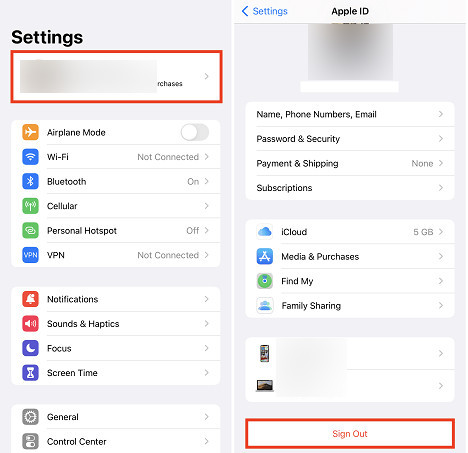
A verification prompt will show, asking if you want to proceed. Confirm that you want to deactivate iCloud. Follow the on-screen guide to finalize the process. This step will deactivate iCloud functions and backups and remove associated data like photos and videos from your device.
On iOS 10.2 and Earlier:
For iOS 10.2 and earlier, you can sign out of your iCloud account separately with the following steps.
Open the Settings app on your device.
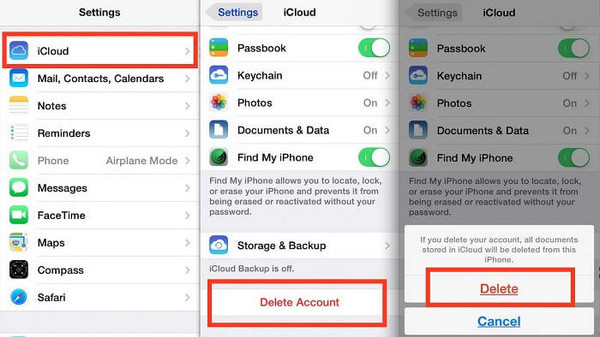
Scroll down the Settings menu until you find iCloud. Tap on it to proceed.
Look for the Delete Account button and tap on it. A verification prompt will show, asking if you want to proceed. Confirm that you want to deactivate iCloud. Follow the on-screen guide to finalize the process. This step will deactivate iCloud functions and backups and remove associated data like photos and videos from your device.
Note:
If your iPhone is managed by MDM (Mobile Device Management), you may not be able to remove iCloud without administrator permission.
2. Remotely Remove iCloud from iPhone
Visit icloud.com and sign in with the same Apple ID associated with the iPhone. This is a free iCloud unlock service from Apple.
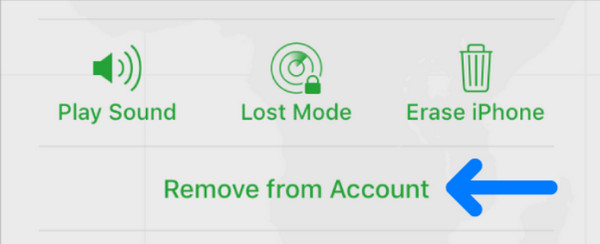
Access Find My and choose the target iPhone from the All Devices drop-down menu.
Select the iPhone and then click on Remove from Account. If prompted, input the password to confirm the process.
Part 4. How to Remove iCloud from iPhone Without Password [2 Ways]
Remove iCloud via Apple Account Recovery
If you can't sign out of iCloud because you forgot your Apple ID or password, Apple provides an official account recovery method. This is the safest and most recommended approach when you still have your trusted phone number or email linked to your Apple ID.
Open a browser, visit iforgot.apple.com, and click Reset Password.
Apple will ask you to verify your identity using a trusted phone number or an email address. Follow the on-screen instructions to confirm your identity.
Once verification is successful, you will be prompted to create a new password. Confirm the new password to complete the reset process.
After resetting your password, go to Settings and sign out of your iCloud.
Remove iCloud from iPhone Using imyPass iPassGo
However, Apple Account Recovery only works if you still have access to your trusted phone number or email. The worst situation is when you are unable to verify your identity at all. In this case, the dedicated iOS unlock tool - imyPass iPassGo - can help you remove the iCloud account from your iPhone without a password. With just a few clicks, the removal becomes much simpler, and the tool will automatically handle the rest of the process for you.

4,000,000+ Downloads
Remove iCloud account from iPhone/iPad without password.
Also supports removing iPhone screen passcode and Screen Time password.
Easy to use and supports all iOS versions.
Compatible with Windows and Mac computers.
Tick the download button to get the app. Once downloaded, install it and then open it to get started.
Now that it is running on your system click the Remove Apple ID mode from the selection available. Link the iOS device to the computer with a USB cable, then click Start.
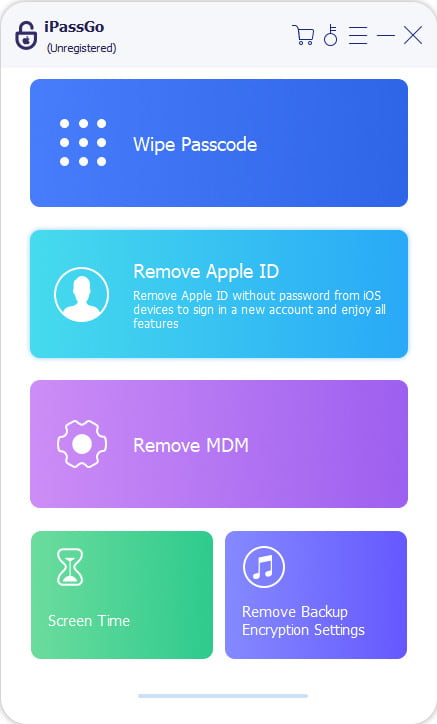
If Find My iPhone is disabled, the app automatically unlocks the Apple ID. If it's activated, follow these steps:
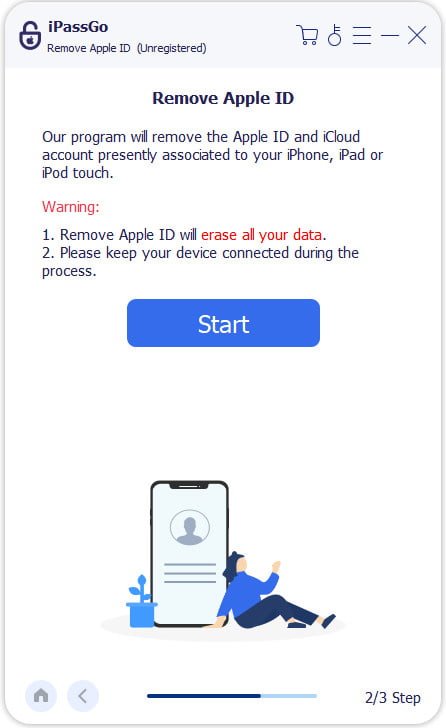
For iOS 11.3 or earlier: Go to Settings, General, and Reset All Settings.
For iOS 11.4 or newer: Go to Settings, [Your Name], Password & Security.
Enter 0000 to confirm the unlocking and click Start.
Once everything is done, you'll see a notification confirming Unlock Succeeded. You can now set up your device with a new Apple ID.
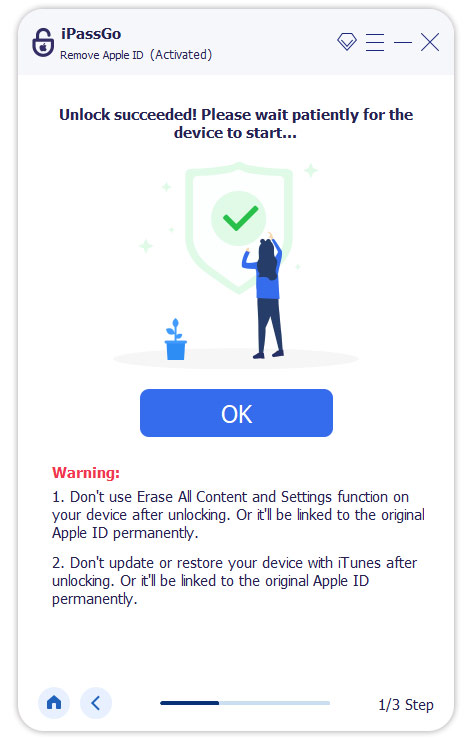
Now you can try the steps and remove the iCloud account. Please note that this method only works when you can get into your iPhone normally. If your iPhone is stuck in iCloud lock and you need to remove iCloud Activation, this method won't work.
FAQs.
-
How do I remove iCloud email from my iPhone?
To remove an iCloud email account from your iPhone, go to Settings, locate and tap on your name or profile at the top, then select iCloud. You'll see a list of apps and features associated with your iCloud account within the iCloud settings. Find the toggle switch next to “Mail” and switch it off.
-
Does turning off the iCloud require passwords?
Yes, when you attempt to turn off iCloud services or features on your iPhone, you'll typically be prompted to type in your Apple ID password. It confirms your identity and ensures only authorized users can change your iCloud account settings.
-
How do I remove a device from Find My iPhone?
If you want to remove a device from Find My iPhone, go to the Settings app on your iPhone, then tap on your name or profile at the top. Next, tap on iCloud and then Find My iPhone. You'll see a list of devices linked to your iCloud account. Simply toggle off the switch next to the device you want to remove.
Conclusion
How do I remove my iPhone from iCloud? This comprehensive guide provides various methods to help you achieve it. Whether you prefer using built-in settings, remote access via iCloud.com, or third-party software like imyPass, you can remove iCloud from your iPhone securely and efficiently. Explore the methods outlined here to find the best fit for your needs and preferences.
Samuel specializes in password security and digital privacy. He used to work as a cybersecurity consultant for small businesses to protect digital assets. With certifications in Cybersecurity and Ethical Hacking, he turns complex security topics into easy-to-follow advice. He also enjoys sharing password tips to help users protect their accounts more confidently.
Hot Solutions
-
Unlock iOS
-
iOS Tips
-
Unlock Android
-
Password Tips