

 Solution
 Support Center
 About Us
 Contact
Mobile Device Management - A Practical Guide for IT Teams & More
 Samuel Spenser Published on April 10, 2026Unlock iOS3-min reading
Most organizations now rely on mobile access for daily tasks, especially when dealing with work. However, each connected device adds a new entry point for threats, and that is where MDM plays an important role. Mobile device management offers a clear way to secure, monitor, and manage these endpoints. It supports compliance, data protection, and system visibility across platforms. This article explains key concepts, main functions, and practical examples to help you understand and use MDM effectively.

In this article:
Part 1. What Is Mobile Device Management (MDM)?
Mobile device management, or MDM, is a system that allows organizations to manage, secure, and monitor mobile devices such as smartphones, tablets, and laptops used for work. If you are looking for MDM meaning, it refers to a centralized solution that helps IT teams control device settings, enforce security policies, and protect sensitive data.
MDM works by installing a management profile or agent on each device. This gives administrators the ability to set rules like password requirements, app access, and data encryption. It also supports remote actions, including locking or wiping a device if it is lost or compromised.
In simple terms, MDM helps businesses keep their data safe while ensuring employees can use their devices efficiently. It also sets the stage for understanding how MDM works in the next section.
Part 2. How Does Mobile Device Management (MDM) Work?
Mobile device management works through a centralized system that connects every device to a secure control panel. If you are wondering what mobile device management is, it refers to a process where devices are added to a platform that lets IT teams manage settings, enforce policies, and protect data in real time.
Once added, each device gets a configuration profile or software agent. This creates a direct link between the device and the management server. From there, mobile device management solutions can control device behavior, send updates, and respond to security risks without physical access. This is the key aspect of mobile device management in modern organizations.
1. Device Enrollment in Mobile Device Management Solutions
This is the first step in most mobile device management solutions. Devices can be added manually or through automated programs. For example, Apple mobile device management supports automated enrollment through Apple Business Manager, allowing devices to be pre-configured before use.
2. Policy Enforcement and Access Control
A key function of MDM mobile device management is enforcing security policies. Administrators can set rules for passwords, screen locks, and access levels to ensure all devices meet company standards.
3. Application Management in MDM Systems
Another important part of what is MDM is controlling applications. IT teams can remotely install, update, or remove apps. This ensures only approved software is used and reduces security risks.
4. Security Management and Data Protection
When conferring mobile device management, security is key. MDM systems enforce encryption, detect threats, and block unsafe actions, such as connecting to unsecured networks.
5. Remote Monitoring and Device Control
Mobile device management solutions offer complete visibility into device status and usage. If a device is lost or compromised, administrators can lock or wipe it remotely to protect company data.
6. Content Management and Data Separation
A core benefit of Apple mobile device management and other platforms is the ability to separate work and personal data. This keeps sensitive information secure, especially on employee-owned devices.
In simple terms, MDM works by giving organizations full control and visibility over devices while maintaining security and user productivity.
Part 3. What Can You Do with MDM? (Real-World Examples)
Mobile device management is crucial for securing devices and ensuring employee productivity. Many organizations begin with free mobile device management solutions. These allow small teams to enforce basic policies, track devices, and manage app installations without any upfront costs. These free tools offer a safe way to try out MDM before moving to more advanced platforms.
For companies that rely heavily on Apple devices, iOS mobile device management offers specialized controls for iPhones and iPads. Administrators can remotely configure settings, enforce security rules, and push approved apps directly to devices, ensuring that company standards are maintained across every mobile endpoint.
When managing desktop and laptop devices, Mac mobile device management provides the same protections for Apple computers. IT teams can monitor compliance, enforce encryption, and schedule updates. This creates a consistent security and management framework across the Apple ecosystem.
For individual device use, mobile device management iPhone tools allow organizations to locate lost devices, lock them, or remotely erase sensitive data. This ensures that even if a phone is misplaced or stolen, company information remains protected, giving both IT teams and employees peace of mind.
Part 4. MDM for Different Platforms
Mobile device management is not limited to one type of device or operating system. Modern workplaces use a mix of platforms, and each one requires a tailored approach to ensure security, compatibility, and performance. MDM adapts to these differences by providing platform-specific controls while maintaining a unified management system.
1. For iOS and iPadOS
MDM provides strong integration with built-in security features. Administrators can enforce strict policies, control app distribution, and manage device settings with great precision. This makes Apple devices a solid option for organizations that focus on security and consistency.
2. For Android
On the other hand, it provides flexibility with many manufacturers. MDM supports Android Enterprise features. This allows businesses to separate work and personal data, manage apps, and enforce security policies, even on employee-owned devices.
3. For macOS systems
MDM goes beyond just mobile use; it also includes desktop management. IT teams can set system settings, enforce encryption, and handle software updates. This keeps laptops and desktops following the same security standards as mobile devices.
4. Windows
Windows devices are also supported through MDM platforms. Organizations can set policies, manage updates, and monitor device health on company-issued or personal computers. This leads to a uniform management approach across all endpoints.
Part 5. Types of MDM Solutions & Getting Started
1. Cloud-Based MDM Solutions
These are hosted on remote servers and accessed through the internet. They are easy to deploy, require minimal infrastructure, and allow IT teams to manage devices from anywhere. This is the most common type used by modern businesses, and a great example is the Microsoft Intune MDM.
2. On-Premise MDM Solutions
These solutions are installed and managed within a company’s internal network. They offer full control over data and security but require more resources, maintenance, and technical expertise.
3. Hybrid MDM Solutions
Hybrid models combine cloud and on-premise systems. These MDM software allow organizations to keep sensitive data locally while using cloud features for flexibility and remote access.
4. Platform-Specific MDM Solutions
These are designed for a single ecosystem, such as Apple or Windows. For example, Apple mobile device management focuses on iOS and macOS, offering deeper integration and more precise controls. This often includes mobile device management for iPad and other Apple devices.
5. Cross-Platform MDM Solutions
These tools support multiple operating systems, including iOS, Android, and Windows mobile device management. They are ideal for organizations that use a mix of devices and need a unified management system.
6. Enterprise Mobility Management (EMM)
EMM is a broader solution that includes MDM along with app management and content control. It provides a more complete approach to managing mobile work environments.
7. Unified Endpoint Management (UEM)
UEM extends beyond mobile devices to include desktops, laptops, and other endpoints. It is an evolution of MDM, offering centralized control over all devices in an organization.
Bonus: Best MDM Removal Tool for iPhone
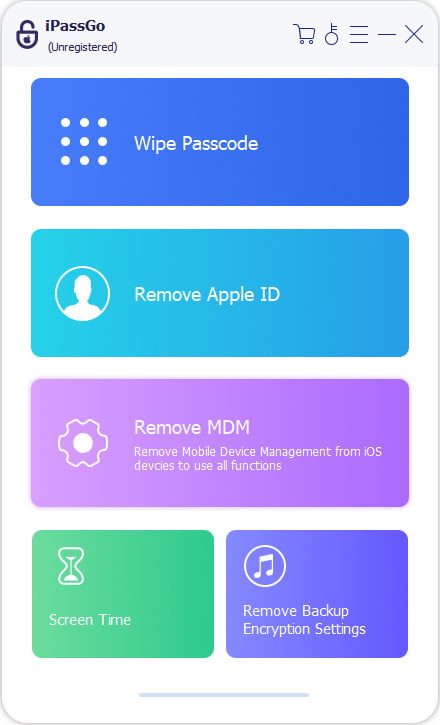
imyPass iPassGo is a tool designed to remove MDM restrictions from iPhones and iPads, particularly when the original management account is no longer available. While systems such as mobile device management and Windows are built to enforce device control, they do not usually support MDM removal, which can create challenges for second-hand or previously managed devices.
imyPass iPassGo offers a guided process that helps bypass certain MDM profiles and regain access to device features. It supports multiple iOS versions and is designed for ease of use, though results may vary depending on device status and existing security restrictions. For users in supported scenarios, restoring access can be a useful option without a complex setup like what you can get on iActivate MDM bypass.
Conclusion
Mobile device management is essential for keeping today's workplaces safe and organized, especially as work takes place across various devices and locations. Understanding how MDM works and its practical applications shows that businesses require a clear method to control access, protect sensitive data, and maintain productivity. Whether managing smartphones, laptops, or iPads, the right solution provides steady security and performance across all devices. By selecting and putting in place the right MDM strategy, organizations can make device management easier while creating a safer and more efficient digital space.
Samuel specializes in password security and digital privacy. He used to work as a cybersecurity consultant for small businesses to protect digital assets. With certifications in Cybersecurity and Ethical Hacking, he turns complex security topics into easy-to-follow advice. He also enjoys sharing password tips to help users protect their accounts more confidently.
Hot Solutions
-
Unlock iOS
-
iOS Tips
-
Unlock Android
-
Password Tips