

 Solution
 Support Center
 About Us
 Contact
In-Depth Google MDM Review: Features, Pricing, Pros & Cons
 Samuel Spenser Published on August 21, 2026Unlock iOS3-min reading
Managing company-owned and employee devices has become an important aspect of current IT administration. As devices become diverse, security management can easily become complicated. That's why organizations need a centralized way to enforce security policies, deploy apps, and protect company data. Google's Mobile Device Management (MDM) platform provides these capabilities through Google Workspace.
In this Google MDM review, we will explore its features, management options, and supported platforms. We will also cover the setup process, pricing, and how it compares with Microsoft Intune. By the end, you'll know if it is the right fit for your organization and a bonus tool that can bypass MDM from an iPhone.

In this article:
- Part 1. What Are the Core Features of Google MDM?
- Part 2. Basic vs. Advanced Mobile Management – The Core Distinction
- Part 3. Platform Support – Android, iOS, and Windows
- Part 4. Google MDM Setup & Tutorial
- Part 5. Google MDM vs. Microsoft Intune
- Part 6. Google MDM Pricing & Cost
- Part 7. Pros & Cons – Final Verdict
- Bonus: Easy Method to Remove MDM from iPhone
Part 1. What Are the Core Features of Google MDM?
Google MDM is integrated with Google Workspace, which enables administrators to secure, monitor, and manage endpoints from a centralized console. To put it simply, it connects user accounts with device safety settings. See below the core Google MDM features:
- Hijacking Protection: A core security feature that prevents unauthorized actors from gaining persistent access.
- Standard and Strong Passcode Enforcement: A device security policy that secures user devices accessing your organization's data.
- Remote Device Wipe: A security feature that permanently deletes data from a lost or stolen device. It can also factory reset a disabled iPhone.
- Block and Unblock Devices: An administrative security action that prevents a specific device from accessing Google Workspace data.
- Security Policies: These are rules set by administrators to secure company data on employee devices.
Part 2. Basic vs. Advanced Mobile Management – The Core Distinction
Google Workspace offers two management levels: Basic Management and Advanced Management. When comparing Google MDM Basic vs Advanced management, you're actually looking at the depth control.
| Features | Basic | Advanced |
| Security Settings | Basic passcode enforcement, like password and screen lock. | Advanced passcode enforcement, including PIN, screen lock, and strong password. |
| Device Control | Block devices and remotely wipe the account. | Block and approve devices, remotely wipe accounts and devices, and zero-touch enrollment. |
| App Control | Downloadable app list for Android. | Downloadable app list for Android and iOS. |
| Device Requirement | Android 6.0 and later, iOS 12.0 and later, or iPadOS 13.1 and later. | Android 6.0 and later, iOS/iPadOS 15.0 and later, ChromeOS, Windows 10/11, Mac, and Linux. |
Part 3. Platform Support – Android, iOS, and Windows
1. Google MDM for Android
The Google MDM for Android uses built-in Android Enterprise systems. It allows administrators to set up a Work Profile on a user's device to isolate corporate apps from personal usage. The container helps to keep personal photos, messages, and files private while encrypting and protecting sensitive company data in a separate work folder.
2. Google MDM for Windows
Google uses the Google Credential Provider for Windows and Windows device management to manage Windows 10 and 11. It converts the Windows boot screen into a single sign-on interface. This will require employees to sign in with their corporate Google credentials.
3. Google MDM for iOS / iPadOS
Setting up Google MDM on Apple devices is smooth when linked directly with Google MDM Apple Business Manager. It enables zero-touch enrollment so that new iPhones and iPads immediately configure themselves to company standards as soon as they are turned on.
Part 4. Google MDM Setup & Tutorial
Utilizing MDM within the Google Workspace ensures that collaboration takes place without the risk of leaking any data. The basic mode comes pre-installed and requires no additional installations. Nonetheless, adopting the advanced mode grants you greater security and control of your fleet.
Go to the Google Admin site and select Get Started to create an active enterprise profile. Once the account is ready, complete the Google MDM login to enter the dashboard.
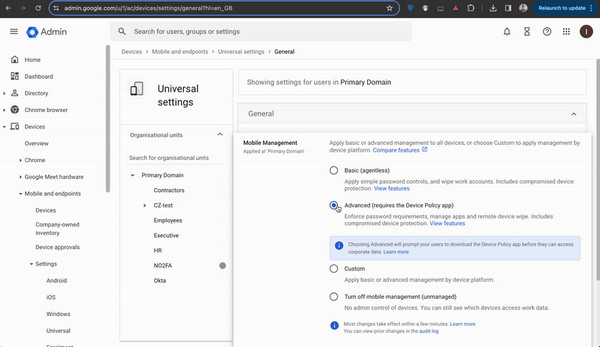
Inside the admin console, navigate to Devices, select Mobile and endpoints, and click Universal. Click General in the Universal Settings and set the Mobile management to Advanced.
Part 5. Google MDM vs. Microsoft Intune
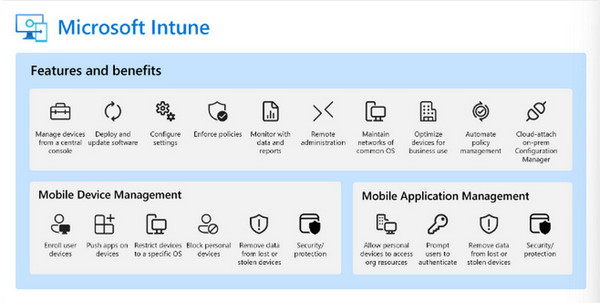
When choosing an enterprise mobility management platform, MDM and Intune are two of the most recognized approaches. Both help secure company data, manage devices, enforce policies, and deploy apps remotely. However, they function differently, with each serving a specific purpose.
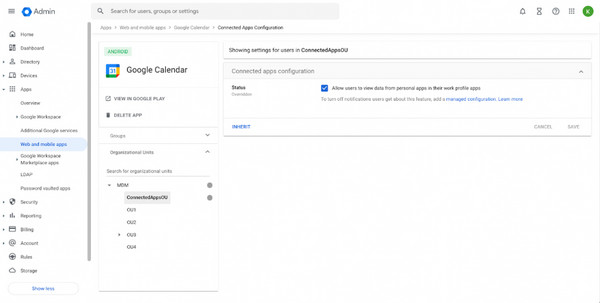
Microsoft Intune offers more comprehensive endpoint management, particularly for organizations using Windows PCs, Microsoft Entra ID, Microsoft Defender, and other Microsoft security products. Meanwhile, the Google MDM solution is integrated directly into the Google Admin Console. It relies on Google services such as Gmail, Google Drive, Google Meet, and Google Docs.
Part 6. Google MDM Pricing & Cost
The MDM cost requires looking at the Google Workplace subscription plans. To give you an idea, mobile device management is bundled and not sold separately.
| Plans | Starter | Standard | Plus | Enterprise |
| Pricing | $6.30/user per month | $12.60/user per month | $22/user per month | Contact sales |
| Storage per person | 30 GB | 2 TB | 5 TB | 5 TB |
Important Note: When calculating Google MDM cost, remember that device count does not increase the monthly subscription bill. MDM licenses are tied to the total Google Workspace user seats. In other words, if a single employee uses three different devices, the costs remain flat.
Part 7. Pros & Cons – Final Verdict
Pros
- Isolates company data from personal apps.
- Allows wiping of the corporate account remotely.
- Basic management is free for all Google Workspace users.
- Management is built straight into the Google Admin Console.
Cons
- Advanced features require premium subscriptions.
- Windows management is limited compared to Intune.
- Fewer compliance features than dedicated enterprise MDM platforms.
Final Verdict:
Basic/Advanced MDM Google Workspace is ideal for companies that use the productivity environment from Google. It provides an easy deployment, strong security controls, and powerful management without requiring a separate device management platform.
Bonus: Easy Method to Remove MDM from iPhone
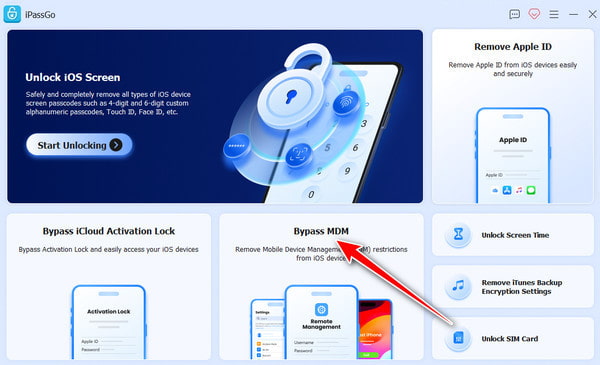
imyPass iPassGo is an unlocker and password management tool that can remove Mobile Device Management. It can bypass MDM from Google Workspace, Microsoft Intune, Jamf, IBM, and more. This tool can help you free your enrolled iPhone and access all functions without restrictions. You can use it even without requiring the administrator username or password. Aside from bypassing MDM, it can also remove Apple ID, unlock the iOS screen, Screen Time, etc.
Download imyPass iPassGo and install it on your computer.
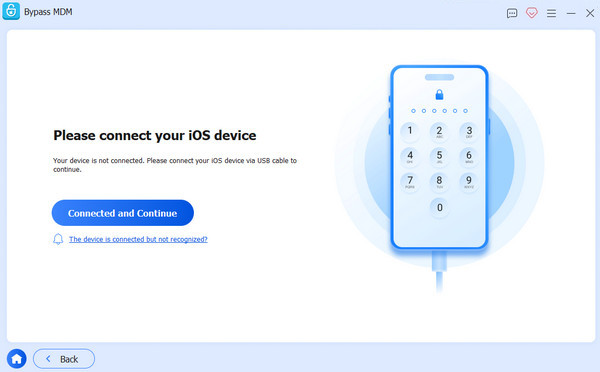
Select Bypass MDM in the dashboard, then connect the iPhone to the PC using a USB cable.
Click Start to begin the Mobile Device Management removal.
After removing the Google MDM, your device will restart and will no longer be remotely manageable.
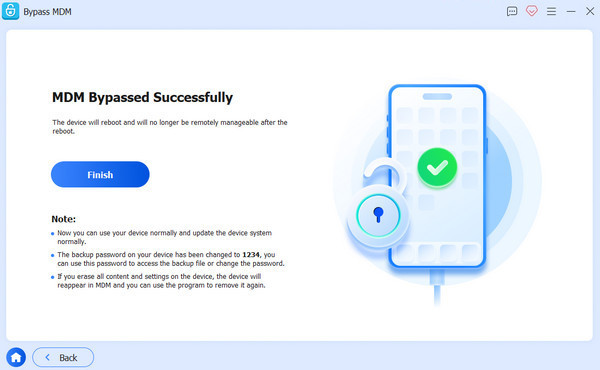
The steps above also apply when you want to remove MDM from an iPad.
Conclusion
This post explored how Google Workspace MDM helps manage and secure devices from the centralized admin console. While it may not offer the same depth as Microsoft Intune, it provides a cost-effective solution for many small and medium-sized businesses. In case an MDM profile locks your iPhone, imyPass iPassGo can bypass supported MDM locks without requiring administrator credentials. It helps you regain access to your device quickly.
Samuel specializes in password security and digital privacy. He used to work as a cybersecurity consultant for small businesses to protect digital assets. With certifications in Cybersecurity and Ethical Hacking, he turns complex security topics into easy-to-follow advice. He also enjoys sharing password tips to help users protect their accounts more confidently.
Hot Solutions
-
Unlock iOS
-
iOS Tips
-
Unlock Android
-
Password Tips